Situation
A U.S.-based industrial organization relaunched operations following the bankruptcy of a predecessor company.
The prior operating model relied on infrastructure-heavy, fixed-cost IT with limited flexibility. While IT was not the sole cause of failure, high overhead, operational rigidity, and external economic pressures constrained the business during periods of volatility.
Leadership recognized that rebuilding the company required a fundamentally different approach to technology, cost structure, and scalability, along with continuous executive-level technology leadership to guide decisions, governance, and long-term growth.
- Industrial
- ERP + IT Operations
- Multi-Location
Company Overview
A U.S.-based industrial and manufacturing organization operating across multiple locations with a B2B focus. The company supports complex, distributed operations and relies on standardized systems to maintain operational consistency, cost control, and visibility across sites.
Following a strategic relaunch, leadership prioritized scalability, resilience, and centralized technology governance to support long-term growth and expansion.
- Industry: Industrial and Manufacturing
- Operating Model: Multi-location
- Business Type: B2B
- Annual Revenue: $150M to $200M
- Users: 150 to 200
- Locations: 5 active sites
Transformation Strategy
The engagement focused on rebuilding the company’s technology foundation with a cloud-first, cost-controlled operating model.
Rather than recreating a traditional internal IT structure, the organization adopted a unified ERP and IT operating model approach designed for resilience, scalability, and long-term cost efficiency.
The strategy prioritized standardization, remote management, and centralized control while preserving operational independence across locations.
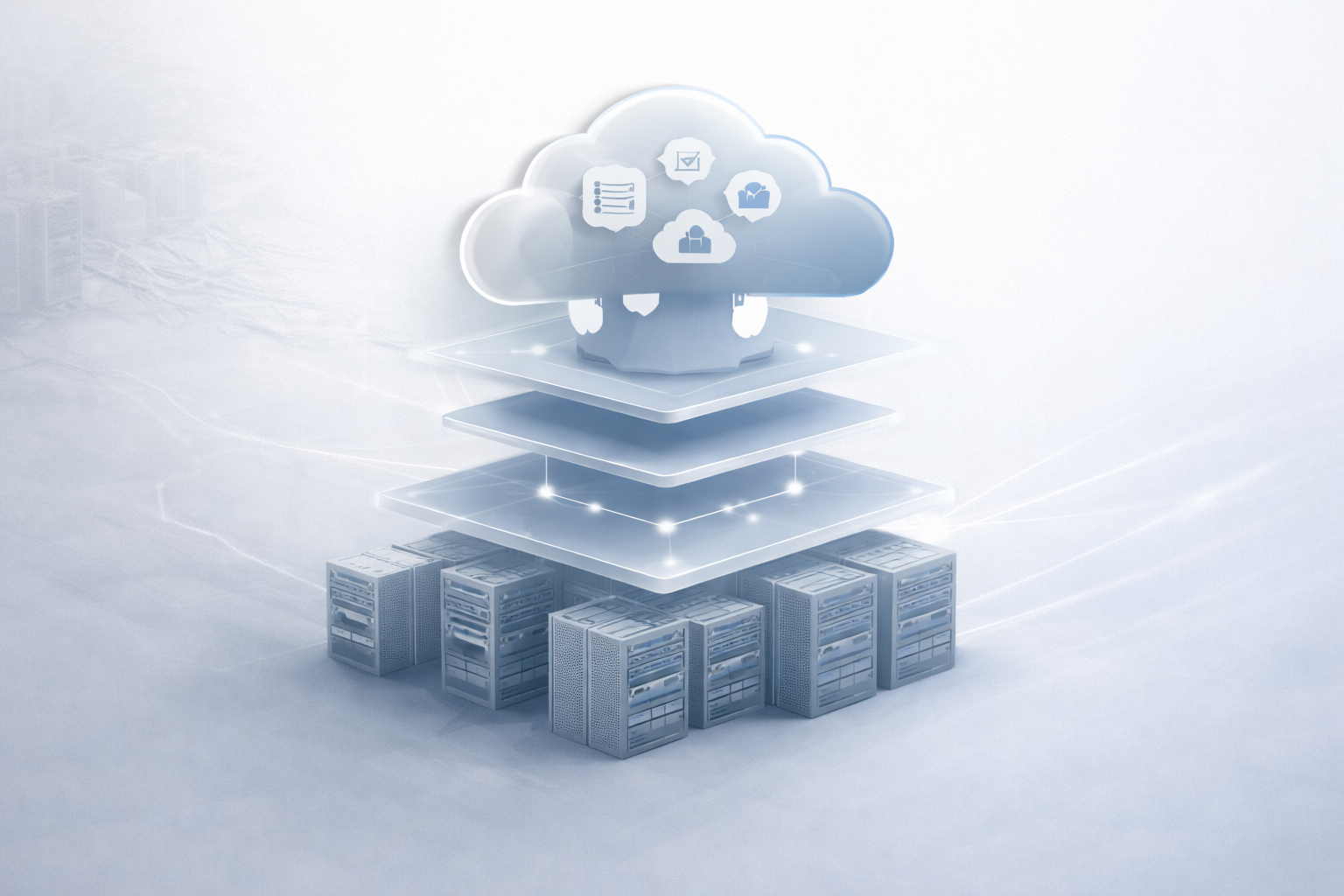
Cloud-first IT operating model
Legacy on-premise infrastructure was replaced with a cloud-managed environment designed to reduce fixed costs, improve reliability, and eliminate physical IT dependencies across locations.
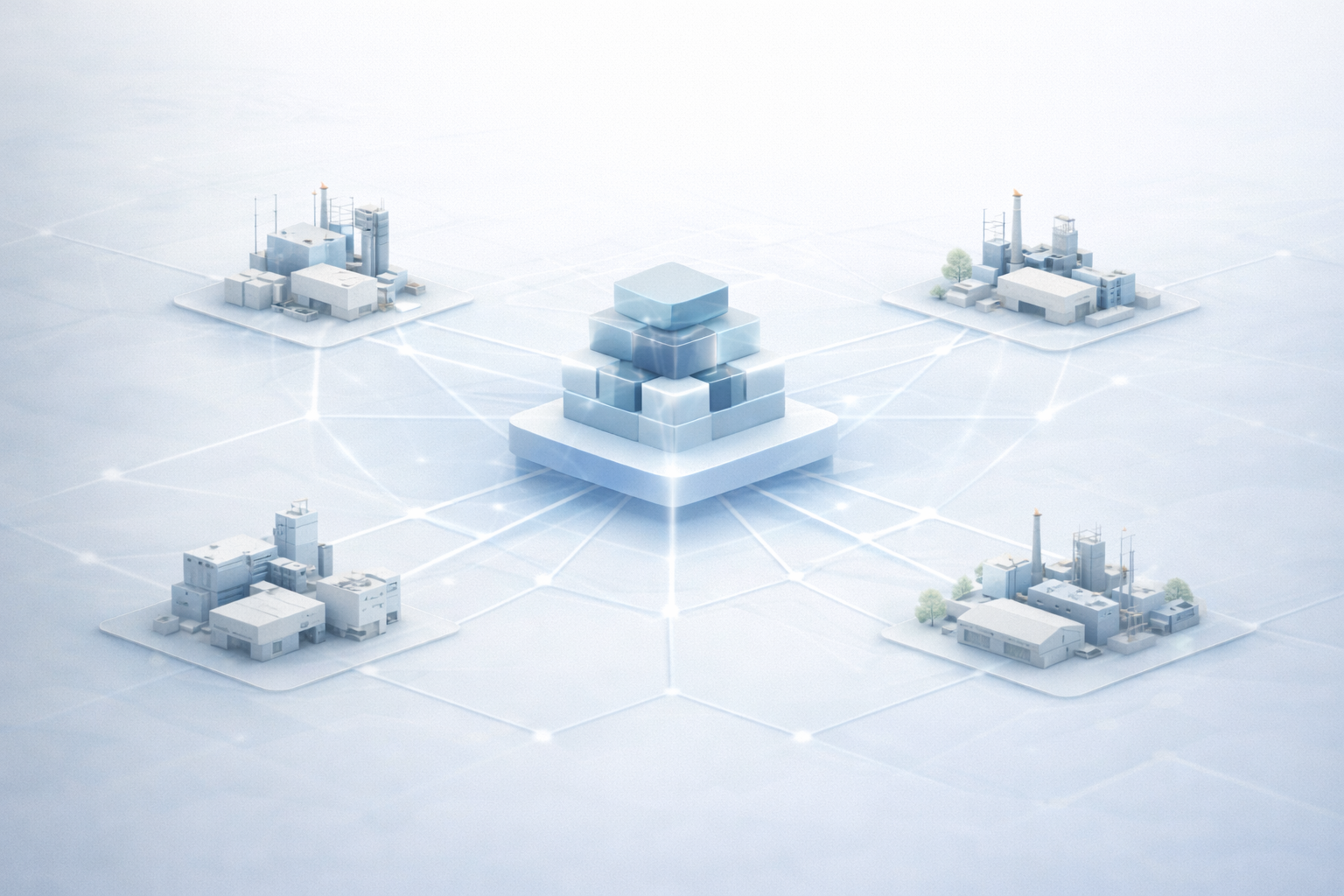
Unified ERP across locations
A single Microsoft Business Central environment was deployed to support multiple operating entities while maintaining standardized processes and centralized reporting.
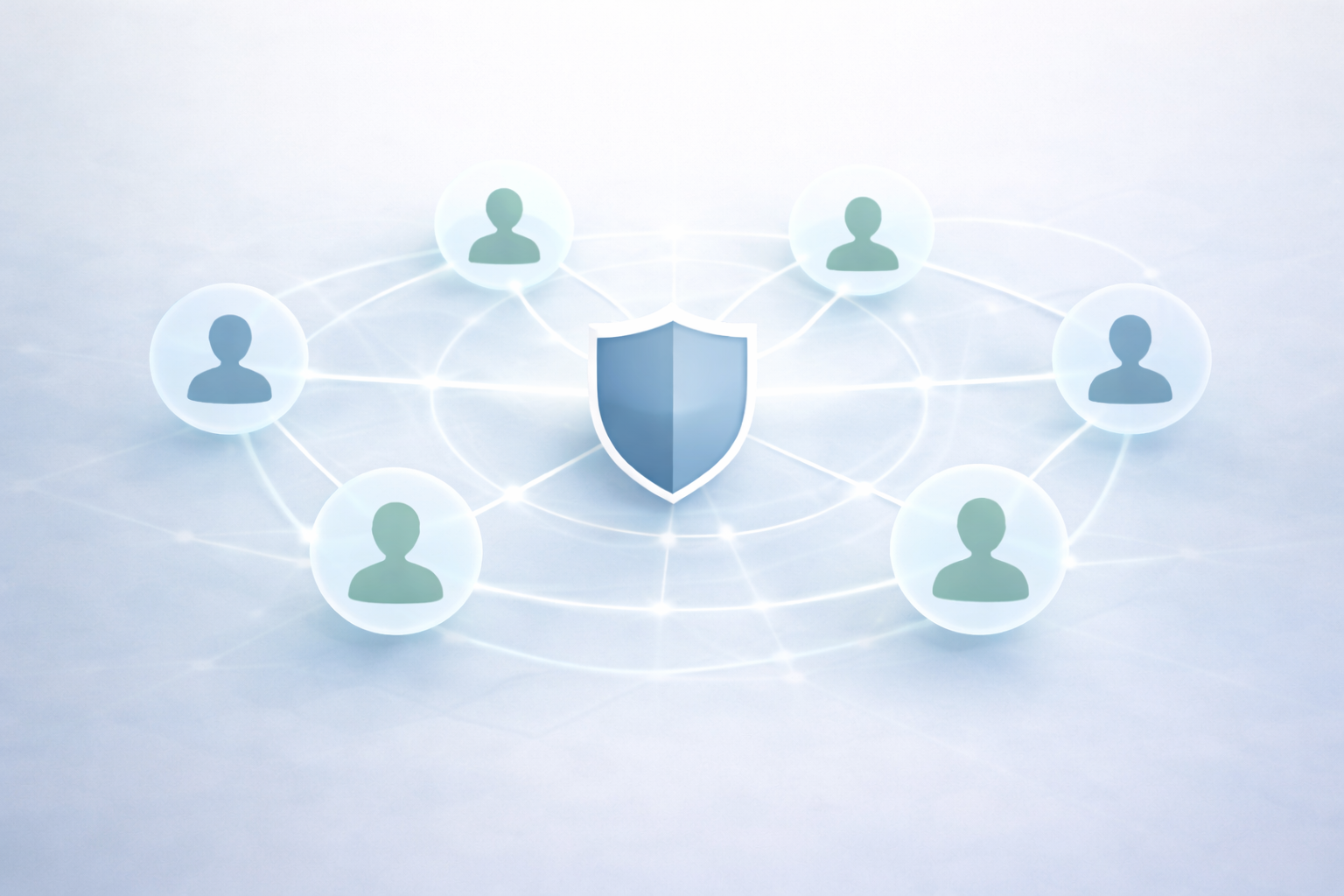
Centralized identity and security
User access, authentication, and security policies were centralized to reduce risk, simplify administration, and enable consistent controls across all sites.
Remote monitoring and management
All endpoints, networks, and systems are proactively monitored and managed through centralized tools, allowing issues to be resolved remotely without on-site IT staff.
Measured Outcomes
The transformation delivered immediate cost control while establishing a scalable operating model designed for long-term growth. By removing infrastructure heavy dependencies and consolidating IT and ERP under a single managed framework, leadership gained predictability, flexibility, and the ability to expand without adding fixed overhead.
$300K+
Annual IT cost reduction through consolidation and standardization
< 5
Average on-site IT engagements per year (on-demand for installs, incidents, and expansions)
20+
Planned new locations. New sites can be onboarded without increasing IT headcount.
“One accountable partner for ERP and IT simplified everything and gave leadership real cost control.”
Why This Matters
This transformation was not a technology upgrade. It was a structural reset.
By unifying ERP and IT under a single accountable operating model with centralized governance and on-demand local execution, the organization reduced fixed costs, improved resilience, and positioned itself for sustainable growth under future economic pressure.